

What constitutes a model airport?
A model airport combines modern infrastructure, passenger convenience, safety standards, sustainability, and efficient operations to set benchmarks in aviation.
What constitutes a model airport?
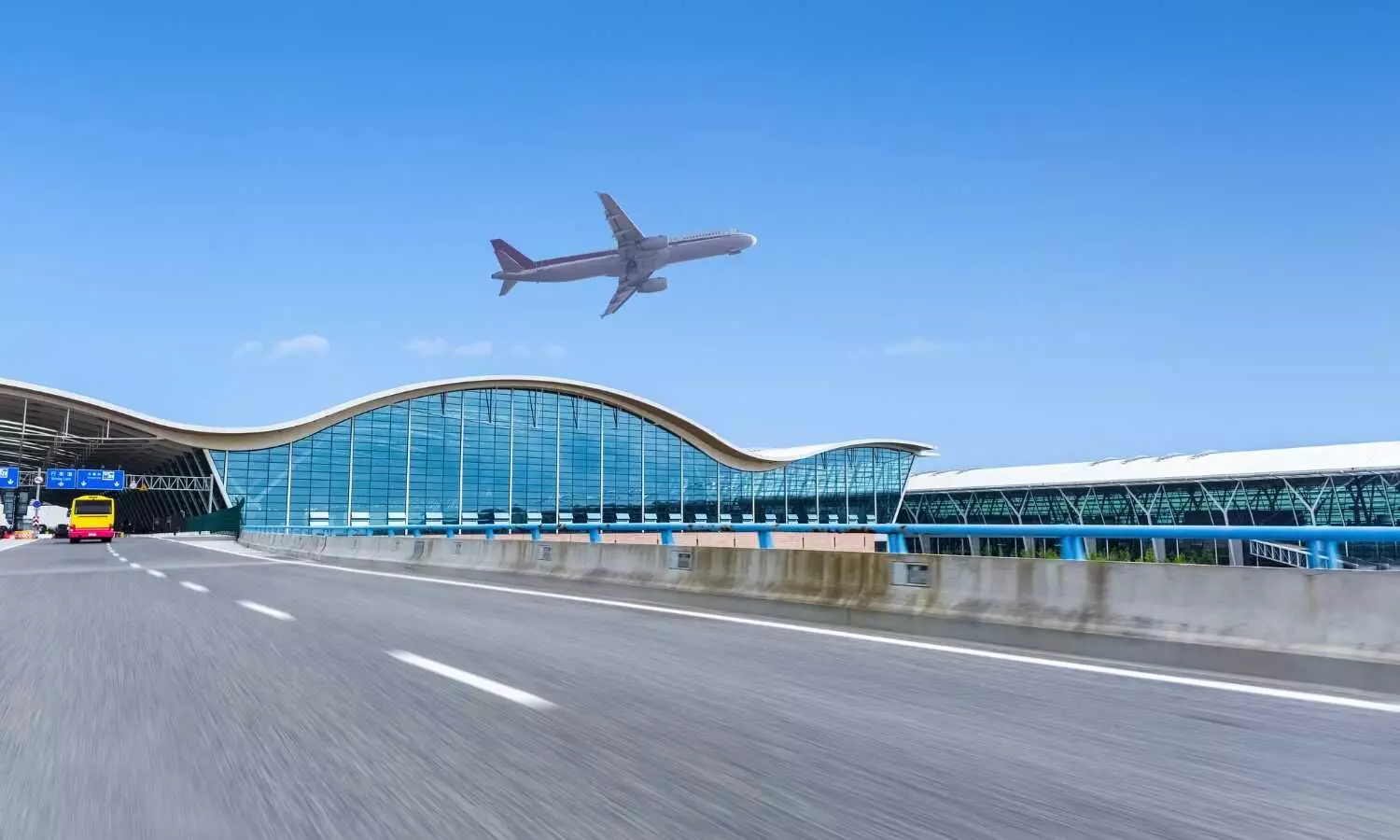
With global passenger numbers rising fast, airports face unprecedented demands for efficiency, trust and sustainability.
The near future will be defined by how well airports break down silos, develop their innovation capability and win the trust of their stakeholders and passengers.
It’s make or break time: as this report concludes, the airports that embrace progress and collaboration today will shape the future of aviation tomorrow.
Airports in 2025 are focusing on a future that combines technological innovation with improved passenger experience, with trends including AI-powered operations, sustainability initiatives like biofuel use and smart energy systems, and the development of new major hubs like India's Noida International Airport. Some of the top airports are already recognized for these advancements, with Singapore Changi often cited as a top example of an airport providing excellent passenger experience and amenities.
AI and biometrics could make long airport lines a thing of the past—allowing travelers to stroll smoothly through ticketing, bag check, and security without any need for physical documents.
Projections indicate that an increasing share of the world’s population will soon be able to afford air travel. Airports can prepare themselves now for heavier traffic.
Achieve net-zero carbon emissions by 2050 for international civil aviation operations.
Serve as an integral part of a thriving, connected, accessible, inclusive, and affordable transport system for people and goods, contributing to socio-economic development, while ensuring no country is left behind.
Achieve zero fatalities in international aviation from accidents and acts of unlawful interference.
A traffic forecast creates a best estimate of future passenger and cargo volumes and aircraft activity, and a capacity assessment measures not only capacity but also service and efficiency levels. The difference between a traffic forecast and a capacity assessment identifies which airport facilities need to be upgraded or expanded and helps to determine their size and potential timelines.
Another element that should be considered is the airport’s concept of operations, which describes the desired operational outcomes. The way that a facility is operated, including the adoption of common use and other, innovative technology, can drive different levels of utilization within the planned infrastructure and therefore influence the building program.
The role of technology is an important factor that must be studied carefully, as its evolution is fundamentally changing many aspects of airport operations. The continued growth in digitalization, such as the rising use of biometrics and contactless self-service solutions for passenger processing, is increasing efficiency and improving the passenger experience. Technology presents an opportunity to utilize infrastructure more efficiently by improving passenger throughput while maintaining optimum levels of customer service. As a result, technology can support a reduction in operational costs and potentially reduce the size of building footprints in processing areas and/or defer capital expenditure.
A further consideration for airport planning and design are changes in business and regulatory environments. It is important to think through likely future scenarios. Airline business models or traffic patterns may shift, or changes in security or customs and immigration requirements can require a reconfiguration of terminal space. To meet the needs that changing requirements may bring, airport planners should again employ a flexible design, so that a terminal’s shape can be easily altered by building and tearing down walls or expanding up or out.
Lessons learned from recent crises can also drive assumptions and affect airport development plans. For example, it is now important to identify and incorporate design principles and innovations that can strengthen resilience to future pandemics and promote buildings that support the wellbeing of the people that use them. Touchless self-service passenger solutions and air ventilation and filtration are receiving increased attention for this reason.
Societal priorities must also be examined. As an example, providing everyone with convenient access to airports, regardless of disabilities or other limitations, has become not just a matter of regulatory compliance but a common expectation. Accordingly, the principles of universal design ensuring access for all are important to reference when designing airport facilities.
An even larger emerging issue is environmental sustainability. There is growing awareness among governments, businesses, and the public on this topic. Airport planning and design decisions can have a big influence on environmental performance, and the air transport industry has been under increasing pressure to address such issues as noise, air quality, and greenhouse gas (GHG) emissions.
Airport planners must develop efficient infrastructure that is appropriate, and affordable to build and operate. The facilities must also be flexible enough to adapt to future needs and changes, cost effectively. This includes resilience to external challenges that are often beyond airport control, such as those brought about by environmental changes or geopolitical instability.





